Several changes to the rules surrounding immigration were announced on 24 June 2025. In this article, we offer a reminder of the key changes which are relevant to businesses.
EU Settlement Scheme rule change: new definition of continuous residence
On 16 July 2025, a significant change to the EU Settlement Scheme (EUSS) took effect, making it easier for pre-settled status holders to qualify for settled status.
What changed?
Under the previous rules, pre-settled status holders had to prove continuous residence in the UK—meaning they hadn’t spent more than six months outside the UK in any 12-month rolling period (with limited exceptions). This was a key requirement to upgrade to settled status after five years.
However, many individuals unintentionally breached this rule, leading to confusion, lost eligibility and uncertainty about long-term status. To address this, the Home Office changed the way continuous residence is assessed.
Since 16 July 2025, a person will now be eligible for settled status if they can demonstrate at least 30 months of UK residence within the most recent 60-month period. These can be any 30 months within that period.
Why the change matters
This new definition of continuous residence:
- removes the rigid ‘six months per year’ rule as the only path to settled status
- introduces flexibility, allowing applicants to have breaks in residence as long as they meet the 30-month total within the most recent 60-month period at the end of their five years’ residence
- simplifies the process, especially for those whose absences were due to work, study or family reasons
- reduces the risk of losing eligibility due to minor or unintentional breaches
This is encouraging news for individuals in the UK who want to be eligible for settled status. It’s also reassuring for employers who want to retain such individuals in the long term, reducing the risk that they will lose valuable members of staff simply because they did not qualify for settled status.
How will the new rule be applied?
The new definition of continuous residence will be used as part of the automated process to upgrade eligible pre-settled status holders to settled status. Starting in January 2025, the Home Office has been converting cases without requiring individuals to apply. They will continue to do this, using available data to confirm eligibility under the new 30-in-60-months rule.
Electronic Travel Authorisation: amendment to validity requirements
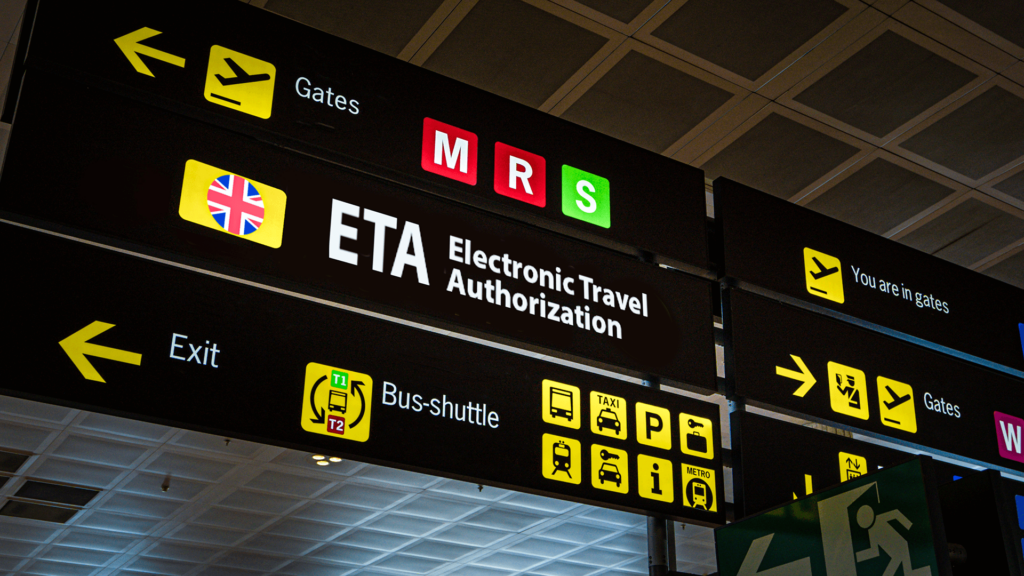
The Home Office has recently expanded its Electronic Travel Authorisation (ETA) scheme to cover more routes of entry into the UK, specifically targeting land travel from the Republic of Ireland. This change, confirmed in their Immigration Rules and also effective from 16 July 2025, aims to reinforce the UK’s immigration controls while providing greater clarity to affected travellers.
What is an ETA?
Introduced in 2023, the ETA is a digital pre-travel permission that is required for visitors from countries who normally don’t need a visa for short visits to the UK. The ETA is part of the government’s efforts to strengthen border security by screening individuals before they travel to the UK.
New requirement for travellers from Ireland
The new changes mean that travellers whose nationalities are listed in the UK’s ETA national list must now obtain an ETA even when travelling from the Republic of Ireland to the UK. This applies specifically to those who do not already hold leave to enter or remain in the UK.
Previously, such individuals could enter the UK across the land border from Ireland under so-called ‘deemed leave’, an arrangement under a 1972 immigration order that allowed for automatic entry without formal permission.
Why the change matters
The new requirement:
- closes a loophole by ensuring that ETA-required nationals cannot bypass screening simply by entering from Ireland
- clarifies expectations for passengers travelling to the UK via the Common Travel Area, particularly those using land routes through Northern Ireland
- aligns with the UK’s post-Brexit immigration policy, where travel from Ireland is still subject to UK rules—even within the Common Travel Area
Businesses in the UK who receive visitors via Ireland must take note of these changes and remind travellers of the need to obtain an ETA in advance of travel, or risk being denied entry to the UK.
Next steps for employers
- Communicate clearly: inform employees about the new continuous residence rules under the EUSS and the need for ETAs when travelling from the Republic of Ireland to the UK. Ensure to use broad communication channels like the company intranet or newsletters to ensure fairness and avoid singling out individuals.
- Avoid discrimination: share immigration updates inclusively and confidentially, without targeting or isolating specific groups.
- Prepare for questions: anticipate queries from employees about these immigration changes and have a clear plan for referring them to qualified advice.
- Review policies: ensure workplace policies on immigration and data privacy are current and compliant with legal obligations related to these changes.
By taking these steps, employers can help their workforce navigate evolving immigration rules smoothly while maintaining compliance with UK regulations.
How can we help?
For more information about these changes, please don’t hesitate to get in touch.